
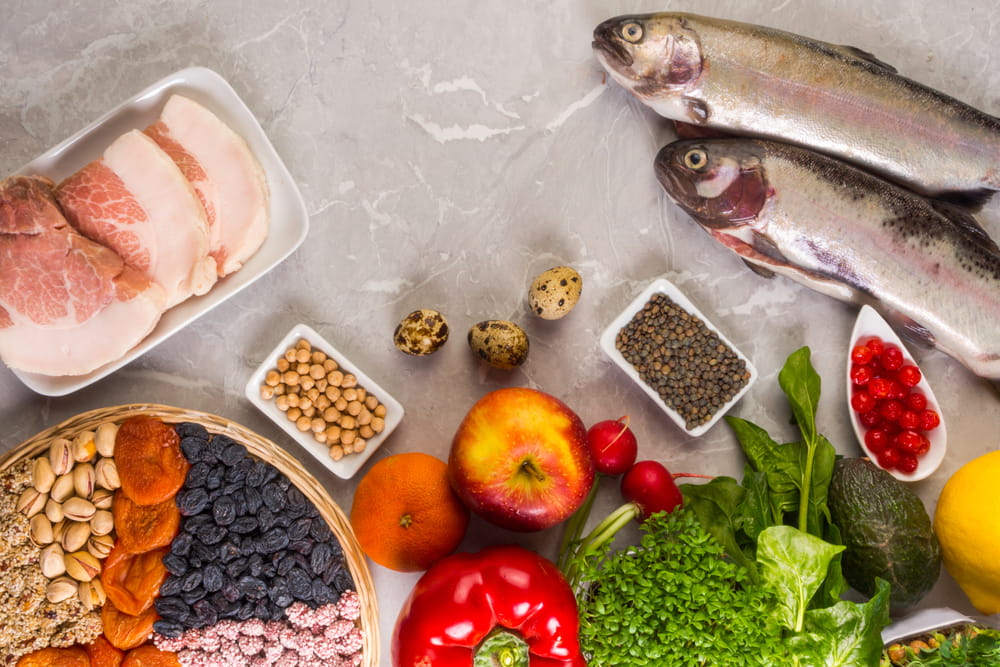
Inflammation plays a central role in many chronic conditions, especially autoimmune and joint-related disorders. At Pacific Arthritis Care Center in Santa Monica and Los Angeles, CA, patients often ask how nutrition can complement medical care for arthritis and inflammatory diseases. While no single food can cure inflammation, research shows that certain dietary patterns may help reduce inflammatory markers, support immune balance, and promote overall joint health. Understanding which foods naturally calm inflammation can empower individuals to make informed choices that support long-term wellness.
Fatty Fish and Omega-3 Power
Fatty fish are among the most well-studied anti-inflammatory foods. Salmon, sardines, mackerel, and tuna are rich in omega-3 fatty acids, particularly EPA and DHA. These essential fats help reduce the production of inflammatory molecules such as cytokines and eicosanoids. For individuals with rheumatoid arthritis and other inflammatory joint conditions, omega-3 intake has been associated with reduced joint stiffness and tenderness.
Omega-3 fats work by influencing the body’s inflammatory pathways at a cellular level. Regular consumption of fatty fish—ideally two to three times per week—may help shift the body toward a less inflammatory state. For those who do not eat fish, plant-based omega-3 sources like flaxseeds and chia seeds offer some benefit, although marine-based omega-3s appear to have the strongest anti-inflammatory effects.
Colorful Fruits and Vegetables
Brightly colored fruits and vegetables provide powerful antioxidants that help neutralize free radicals, unstable molecules that contribute to inflammation. Berries, cherries, oranges, spinach, kale, and bell peppers are particularly high in vitamins C and E, carotenoids, and polyphenols. These compounds help protect tissues—including joint tissue—from oxidative stress.
Leafy greens such as spinach and Swiss chard also contain vitamin K, which plays a role in regulating inflammatory responses. Cruciferous vegetables like broccoli and Brussels sprouts provide sulforaphane, a compound shown to help reduce inflammatory markers. Incorporating a wide variety of produce ensures a diverse intake of protective nutrients that support immune balance and tissue repair.
Whole Grains, Nuts, and Seeds
Refined carbohydrates may promote inflammation, but whole grains offer the opposite effect. Oats, quinoa, brown rice, and whole wheat contain fiber that supports gut health. A healthy gut microbiome helps regulate immune function, which is closely tied to inflammatory activity throughout the body. Increased fiber intake has been linked to lower levels of C-reactive protein, a common marker of inflammation.
Nuts and seeds further enhance an anti-inflammatory diet. Almonds, walnuts, flaxseeds, and sunflower seeds provide healthy fats, fiber, and antioxidants. Walnuts, in particular, contain plant-based omega-3s and polyphenols that contribute to reduced oxidative stress. A small handful of nuts daily can be a simple yet effective addition to meals or snacks.
Olive Oil, Herbs, and Spices
Extra virgin olive oil is a cornerstone of the Mediterranean diet, a dietary pattern consistently associated with lower inflammation. Olive oil contains oleocanthal, a natural compound with effects similar to nonsteroidal anti-inflammatory medications. Replacing butter or margarine with olive oil may help reduce inflammatory burden over time.
Certain herbs and spices also offer meaningful benefits. Turmeric contains curcumin, a compound widely studied for its anti-inflammatory properties. Ginger has been shown to help reduce muscle soreness and inflammatory responses. Garlic supports immune health and may decrease inflammatory markers. Adding these ingredients regularly to meals enhances both flavor and health benefits.
Key anti-inflammatory additions include:
- Salmon and other fatty fish
- Berries and leafy greens
- Whole grains like quinoa and oats
- Walnuts and flaxseeds
- Extra virgin olive oil
- Turmeric and ginger
Building a Sustainable Anti-Inflammatory Diet
Adopting an anti-inflammatory diet is less about strict rules and more about consistent patterns. Focusing on whole, minimally processed foods while limiting added sugars, processed meats, and refined carbohydrates creates a nutritional foundation that supports joint and immune health. Hydration, balanced portion sizes, and mindful eating habits also contribute to overall wellness.
For individuals managing chronic inflammatory conditions, dietary changes should complement—not replace—professional medical care. Patients seeking comprehensive guidance on inflammatory conditions often turn to Pacific Arthritis Care Center in Santa Monica and Los Angeles, CA, where multiple providers help individuals understand the full spectrum of treatment options while supporting informed lifestyle choices. Combining evidence-based nutrition strategies with appropriate medical management offers a well-rounded approach to long-term inflammatory control and joint health.
Resources
Calder, P. C. (2017). Omega-3 fatty acids and inflammatory processes. Nutrients.
Galland, L. (2010). Diet and inflammation. Nutrition in Clinical Practice.
Schwingshackl, L., & Hoffmann, G. (2014). Mediterranean dietary pattern and inflammatory markers. Nutrition, Metabolism & Cardiovascular Diseases.