
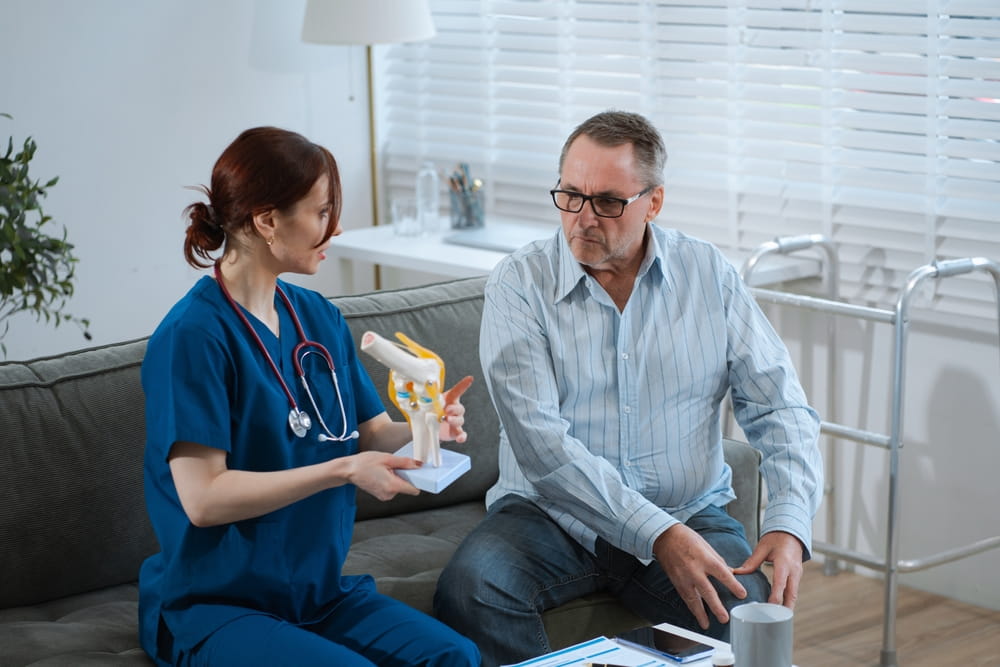
Knee pain can significantly affect daily life, making simple activities such as walking, climbing stairs, or standing for long periods increasingly difficult. One of the most common causes of chronic knee pain is osteoarthritis, a degenerative joint condition that affects millions of adults. At Pacific Arthritis Care Center, many patients in Santa Monica and Los Angeles, CA, seek information about managing osteoarthritis and preserving their mobility as they age.
Although osteoarthritis cannot be completely reversed, there are many effective treatment options available that can reduce pain, improve function, and help individuals maintain an active lifestyle. Understanding how osteoarthritis develops and what treatments are available can help patients make informed decisions about their joint health.
Understanding Knee Osteoarthritis
What Happens Inside the Joint?
Osteoarthritis occurs when the protective cartilage that cushions the ends of bones gradually wears down over time. Cartilage allows the knee joint to move smoothly and absorb shock during movement. As this protective layer deteriorates, bones may begin rubbing against one another, leading to pain, stiffness, swelling, and reduced mobility.
The condition develops gradually and may worsen over several years. Age is a major risk factor, but osteoarthritis can also result from previous injuries, excess body weight, genetics, repetitive stress on the joints, and certain structural abnormalities.
Many individuals notice symptoms developing slowly. Early signs often include occasional stiffness after sitting, discomfort during physical activity, or mild swelling. As the condition progresses, symptoms may become more persistent and interfere with everyday activities.
Recognizing Common Symptoms
Signs That Knee Osteoarthritis May Be Present
Osteoarthritis symptoms vary from person to person. Some individuals experience mild discomfort, while others develop significant limitations in movement and daily function.
Common symptoms include:
- Knee pain during or after activity
- Morning stiffness lasting less than 30 minutes
- Swelling around the joint
- Reduced range of motion
- Grinding, popping, or cracking sensations
- Difficulty walking long distances
- Pain when climbing stairs
- Joint instability or weakness
- Increased discomfort after prolonged inactivity
Unlike inflammatory forms of arthritis such as rheumatoid arthritis, osteoarthritis symptoms often worsen with activity and improve somewhat with rest.
Lifestyle Changes That Can Make a Difference
Small Adjustments Can Reduce Joint Stress
One of the most effective approaches to managing knee osteoarthritis involves reducing stress on the affected joints. Lifestyle modifications are often recommended as a first-line treatment because they can provide meaningful symptom relief without invasive procedures.
Weight management is particularly important. Even modest weight loss can significantly reduce pressure on the knees. Every step places multiple times a person’s body weight across the knee joint, so reducing excess weight may decrease pain and slow progression.
Regular low-impact exercise can also improve joint health. Activities such as walking, swimming, cycling, and stretching help strengthen the muscles that support the knee while maintaining flexibility and mobility. Stronger muscles help stabilize the joint and reduce strain on damaged cartilage.
Physical Therapy and Rehabilitation
Building Strength Around the Joint
Physical therapy plays an important role in osteoarthritis management. Targeted exercises help strengthen the quadriceps, hamstrings, hips, and core muscles that support proper knee function.
A structured rehabilitation program can improve balance, flexibility, range of motion, and overall joint stability. Many patients find that consistent therapy helps reduce pain while increasing their confidence in daily movement.
Physical therapists may also recommend supportive braces, assistive devices, or gait modifications to help reduce pressure on painful areas of the knee. These individualized strategies can improve comfort during everyday activities.
Medications and Non-Surgical Treatments
Several medication options may help manage osteoarthritis symptoms. Over-the-counter pain relievers and anti-inflammatory medications are commonly used to reduce discomfort during flare-ups. Depending on symptom severity, healthcare providers may recommend additional therapies tailored to an individual’s needs.
Advanced diagnostic tools such as Ultrasound can help evaluate joint inflammation and guide treatment decisions. Imaging may provide valuable information about the extent of joint damage and help monitor disease progression over time.
For patients whose symptoms continue despite conservative treatment, infusion-based therapies administered through specialized settings such as an Infusion Therapy Clinic may be considered when inflammatory arthritis or overlapping conditions are present. Treatment recommendations vary depending on the underlying diagnosis and overall health status.
When Is Surgery Considered?
Exploring Joint Replacement Options
While many individuals successfully manage osteoarthritis with non-surgical approaches, some cases eventually require surgical intervention. Surgery is generally considered when pain becomes severe, daily activities are significantly limited, and conservative treatments no longer provide adequate relief.
Knee replacement surgery can be highly effective for advanced osteoarthritis. During the procedure, damaged portions of the joint are replaced with artificial components designed to restore function and reduce pain. Advances in surgical techniques and rehabilitation have helped many patients achieve substantial improvements in mobility and quality of life.
However, surgery is typically viewed as one component within a broader treatment plan rather than the first solution for newly diagnosed osteoarthritis.
Maintaining Mobility for the Long Term
Living with knee osteoarthritis does not necessarily mean giving up an active lifestyle. Many people successfully manage symptoms for years through a combination of exercise, weight management, physical therapy, medication, and ongoing medical monitoring. Early intervention often provides the best opportunity to maintain joint function and delay progression.
Pacific Arthritis Care Center encourages individuals throughout Santa Monica and Los Angeles, CA, to pay attention to persistent knee pain and stiffness rather than dismissing symptoms as a normal part of aging. With proper evaluation and a personalized treatment strategy, many patients can continue participating in the activities they enjoy while protecting their long-term joint health.
Resources
Hunter, D. J., & Bierma-Zeinstra, S. (2019). Osteoarthritis. The Lancet.
Kolasinski, S. L., Neogi, T., Hochberg, M. C., et al. (2020). 2019 American College of Rheumatology/Arthritis Foundation Guideline for the Management of Osteoarthritis. Arthritis Care & Research.
Bannuru, R. R., Osani, M. C., Vaysbrot, E. E., et al. (2019). OARSI Guidelines for the Non-Surgical Management of Knee, Hip, and Polyarticular Osteoarthritis. Osteoarthritis and Cartilage.