
Gout is a form of arthritis caused by elevated levels of uric acid in the blood, leading to the formation of sharp crystals in joints. These crystals often trigger sudden, severe pain, swelling, and redness, most commonly in the big toe, but they can affect other joints as well. Residents of Santa Monica and Los Angeles who experience these intense flares may wonder how to relieve symptoms quickly at home. At Pacific Arthritis Care Center, multiple providers emphasize understanding practical strategies that can help reduce discomfort while waiting for professional evaluation or as part of ongoing self-care.
Gout attacks can develop rapidly, often peaking within 24 hours, making prompt symptom management essential. While medications prescribed by a healthcare provider are important for long-term control, several home measures can help alleviate pain, decrease inflammation, and support joint recovery. Knowing how to act quickly and safely during a flare can make a significant difference in comfort and mobility.
Immediate Pain Relief Techniques
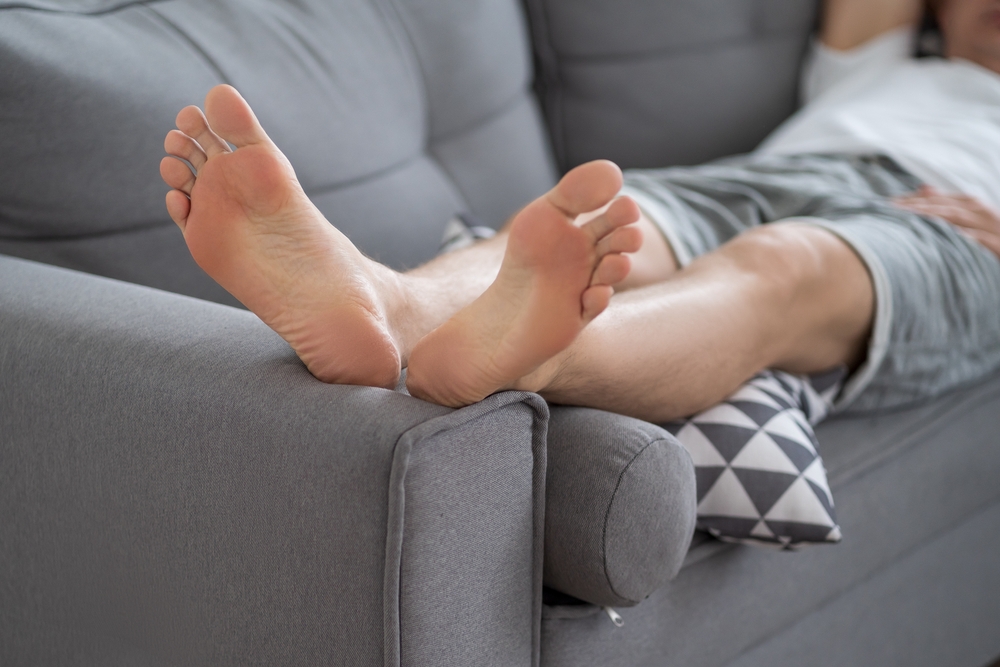
One of the fastest ways to relieve gout pain at home is by addressing the affected joint directly. Resting the joint and elevating it above the level of the heart can help reduce swelling and throbbing discomfort. Applying an ice pack for 15 to 20 minutes several times a day may also help numb the area and decrease inflammation. Avoiding pressure on the joint, such as standing or walking extensively on an inflamed foot, can prevent symptoms from worsening.
Hydration is another important factor in managing a flare. Drinking plenty of water can help the body flush excess uric acid, potentially reducing the intensity of the attack. While water alone does not cure gout, staying well-hydrated supports kidney function and can help prevent crystals from accumulating further. Avoiding alcohol and sugary beverages during a flare is also recommended, as these can increase uric acid levels and prolong recovery.
Diet and Lifestyle Considerations
Certain dietary choices can influence how quickly gout symptoms improve. Reducing foods high in purines, such as red meat, organ meats, and some seafood, may help decrease uric acid levels. Incorporating low-purine foods like fruits, vegetables, whole grains, and low-fat dairy products can support overall joint health. Some people find relief from adding cherries or cherry juice, which may have natural anti-inflammatory properties that help lower uric acid and reduce flare intensity.
Other lifestyle measures, such as maintaining a healthy weight and engaging in gentle physical activity when symptoms allow, can contribute to long-term gout management. Limiting stress and getting adequate sleep also support overall health and may indirectly reduce the frequency and severity of flares. Tracking triggers and keeping a symptom diary can help identify patterns, allowing for better preparation and quicker home interventions during attacks.
Over-the-Counter and Natural Options
Certain over-the-counter remedies may help reduce pain and inflammation during a gout flare. Nonsteroidal anti-inflammatory drugs (NSAIDs) like ibuprofen or naproxen are commonly used, but it is important to follow package directions and consider any personal health conditions or medication interactions. Topical anti-inflammatory gels may also provide targeted relief for affected joints.
Some individuals explore natural remedies, such as ice therapy, apple cider vinegar, or herbal supplements. While evidence varies, combining these approaches with hydration, rest, and dietary adjustments can sometimes help manage symptoms. It is important to monitor the response to any home treatment and seek medical evaluation if pain is severe, prolonged, or recurrent.
Conclusion
Managing a gout flare quickly at home involves a combination of rest, elevation, hydration, dietary adjustments, and careful use of over-the-counter or natural remedies. For residents in Santa Monica and Los Angeles, understanding these strategies can make acute attacks more manageable. At Pacific Arthritis Care Center, multiple providers highlight the importance of education and awareness, helping patients recognize triggers, act promptly during flares, and maintain long-term joint health. By taking informed, proactive steps, individuals can reduce discomfort and support recovery during gout episodes.
Resources
- Becker, M. A., & Jolly, M. (2006). Clinical gout and related disorders. Lancet, 367(9527), 2041–2052.
- Choi, H. K., & Curhan, G. (2007). Soft drinks, fructose consumption, and the risk of gout in men. BMJ, 334(7589), 227.
- Neogi, T., Jansen, T. L., Dalbeth, N., et al. (2015). 2015 Gout Classification Criteria: An American College of Rheumatology/European League Against Rheumatism Collaborative Initiative. Arthritis & Rheumatology, 67(10), 2557–2568.