
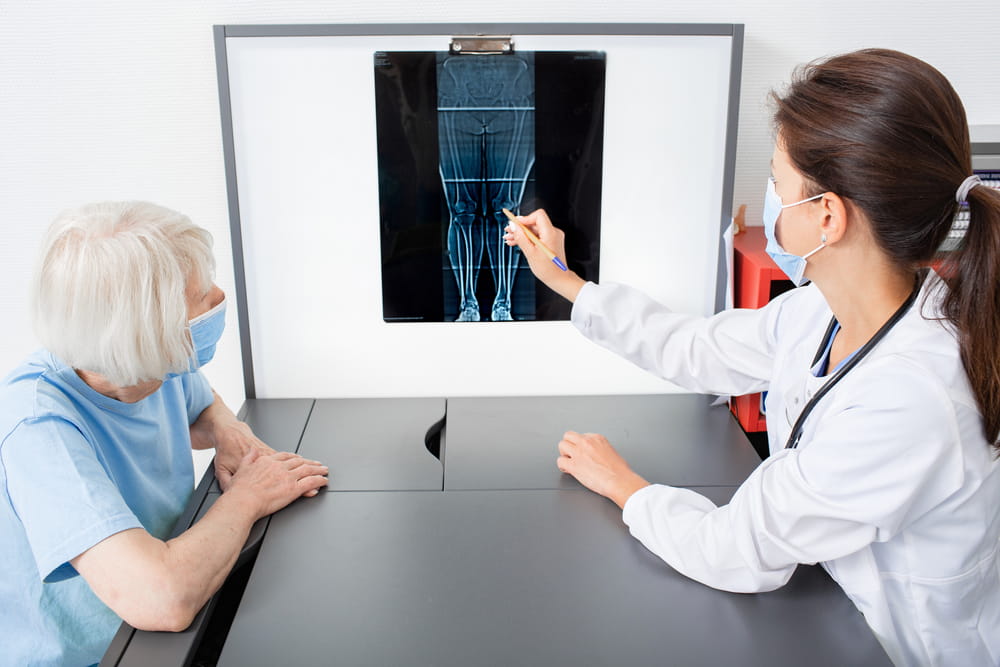
Osteoporosis is often called a “silent disease” because it can develop for years without causing noticeable symptoms. Many people do not realize they have osteoporosis until they experience a fracture from a minor fall or even routine daily activity. Because early detection is essential for protecting bone health, understanding how osteoporosis is diagnosed can help patients take a proactive approach to preventing complications. At Pacific Arthritis Care Center, patients throughout Santa Monica and Los Angeles, CA, frequently seek information about osteoporosis testing and evaluation.
Rheumatologists play an important role in diagnosing osteoporosis because they specialize in diseases affecting the bones, joints, and connective tissues. Through a combination of medical history, physical examination, imaging studies, and laboratory testing, rheumatologists can identify bone loss and develop strategies to reduce fracture risk.
Understanding Osteoporosis and Bone Loss
What Happens to Bones Over Time?
Healthy bones constantly undergo a process called remodeling, during which old bone tissue is removed and new bone tissue is created. Throughout early adulthood, bone formation generally keeps pace with bone loss. As people age, however, bone breakdown may begin occurring faster than replacement.
Over time, bones can become thinner, weaker, and more porous. This loss of bone density increases the risk of fractures, particularly in the hips, spine, and wrists. Osteoporosis affects both men and women, although women are generally at greater risk following menopause due to declining estrogen levels.
Because bone loss develops gradually and painlessly, many individuals remain unaware of the condition until significant weakening has already occurred. This makes routine evaluation especially important for those with known risk factors.
Evaluating Risk Factors and Medical History
The First Step in Diagnosis
Diagnosing osteoporosis often begins with a detailed discussion about a patient’s health history. Rheumatologists look for factors that may increase the likelihood of bone loss or fractures.
Common risk factors include:
- Age over 50
- Family history of osteoporosis
- Previous fractures from minor injuries
- Menopause
- Long-term corticosteroid use
- Rheumatoid arthritis and other autoimmune diseases
- Smoking
- Excessive alcohol consumption
- Low body weight
- Vitamin D deficiency
- Sedentary lifestyle
A rheumatologist may also ask about dietary habits, exercise routines, medication use, and any history of chronic medical conditions that could affect bone health. Understanding these factors helps determine whether additional testing is necessary.
Bone Density Testing: The Gold Standard
Understanding the DEXA Scan
The most common and reliable method for diagnosing osteoporosis is a bone mineral density test known as a dual-energy X-ray absorptiometry (DEXA or DXA) scan. This painless imaging study measures bone density in areas that are particularly vulnerable to fractures, such as the hip and spine.
A DEXA scan compares a person’s bone density to that of a healthy young adult. The result is reported as a T-score. Higher scores indicate stronger bones, while lower scores suggest bone loss.
Based on established guidelines:
- Normal bone density: T-score of -1.0 or higher
- Osteopenia (low bone mass): T-score between -1.0 and -2.5
- Osteoporosis: T-score of -2.5 or lower
The test is quick, noninvasive, and exposes patients to very little radiation. It remains the primary tool used to diagnose osteoporosis and monitor changes over time.
Additional Imaging and Evaluation Tools
Looking Beyond Bone Density
While bone density testing provides valuable information, rheumatologists often use additional diagnostic tools to gain a more complete picture of bone health. Imaging studies may help identify fractures that have already occurred, particularly compression fractures in the spine that may otherwise go unnoticed.
In some cases, advanced imaging techniques and diagnostic technologies such as Ultrasound may be utilized to evaluate musculoskeletal structures and assess related conditions that could contribute to pain or functional limitations.
Evaluating overall skeletal health helps ensure that treatment decisions are based on a comprehensive understanding of each patient’s unique situation.
Laboratory Testing and Underlying Causes
Identifying Factors That Affect Bone Health
Not all osteoporosis develops solely as a result of aging. Certain medical conditions and nutritional deficiencies can accelerate bone loss. Laboratory testing helps rheumatologists determine whether additional factors are contributing to decreased bone density.
Blood tests may evaluate calcium levels, vitamin D status, kidney function, thyroid hormones, inflammatory markers, and other indicators of bone metabolism. In some situations, testing may reveal treatable conditions that contribute to bone weakening.
For patients with inflammatory diseases such as rheumatoid arthritis, ongoing monitoring is especially important because chronic inflammation itself can increase the risk of osteoporosis. Research efforts, including studies conducted through programs such as Research & Clinical Trials, continue to improve understanding of the relationship between inflammation and bone health.
Assessing Fracture Risk
Looking Beyond the Test Results
Bone density is only one part of the osteoporosis evaluation process. Rheumatologists also assess a patient’s overall fracture risk using specialized tools and clinical judgment. Factors such as age, previous fractures, family history, and certain medications can influence fracture risk even when bone density loss appears modest.
By combining imaging findings, laboratory results, and risk factor assessments, physicians can identify patients who may benefit from early intervention before serious fractures occur.
For individuals who face challenges attending in-person appointments, options such as Telemedicine may provide convenient opportunities to discuss bone health concerns and review test results with healthcare professionals.
Early Diagnosis Can Protect Long-Term Bone Health
Osteoporosis often develops quietly, but its consequences can be significant if left undetected. Fractures related to osteoporosis can lead to chronic pain, reduced mobility, loss of independence, and diminished quality of life. Fortunately, modern diagnostic tools allow rheumatologists to identify bone loss long before these complications occur.
Pacific Arthritis Care Center encourages individuals throughout Santa Monica and Los Angeles, CA, especially those with risk factors for osteoporosis, to remain proactive about bone health. Early evaluation, accurate diagnosis, and appropriate monitoring can help preserve bone strength and reduce the risk of fractures for years to come.
Resources
Compston, J., McClung, M., & Leslie, W. D. (2019). Osteoporosis. The Lancet.
Cosman, F., de Beur, S. J., LeBoff, M. S., et al. (2014). Clinician’s Guide to Prevention and Treatment of Osteoporosis. Osteoporosis International.
Kanis, J. A., Harvey, N. C., Johansson, H., et al. (2020). A Decade of FRAX: How Has It Changed the Management of Osteoporosis? Aging Clinical and Experimental Research.